

Will Electricity Prices Come Down in 2026?
Energy Market Update: January 2026 Will Electricity Prices Come Down in 2026? Energy Market Snapshot “Energy prices will be a


Energy Market Update: January 2026 Will Electricity Prices Come Down in 2026? Energy Market Snapshot “Energy prices will be a
Will Electricity Prices Come Down in 2026?
“Energy prices will be a mixed bag next year, according to forecasts. Gasoline prices should fall, thanks to lower crude oil prices. But your electricity bill will keep climbing thanks to the ongoing construction of power-hungry data centers that fuel AI and cryptocurrency. Natural gas prices are also expected to rise.” – Investopedia
Energy prices for electricity and natural gas are generally expected to continue increasing in 2026, driven by surging electricity demand, grid investments, rising natural gas demand for exports and power generation, and increased reliance on gas-fired plants, despite potential relief in gasoline prices.
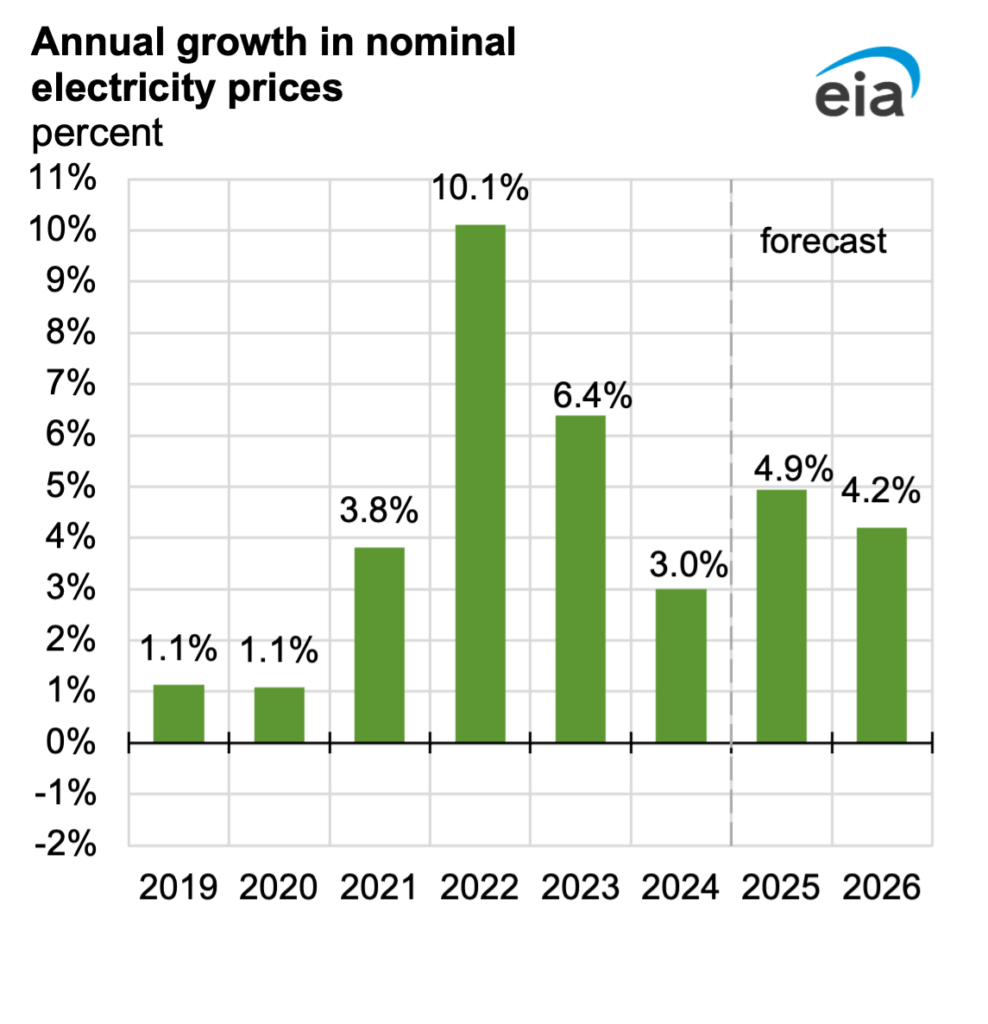
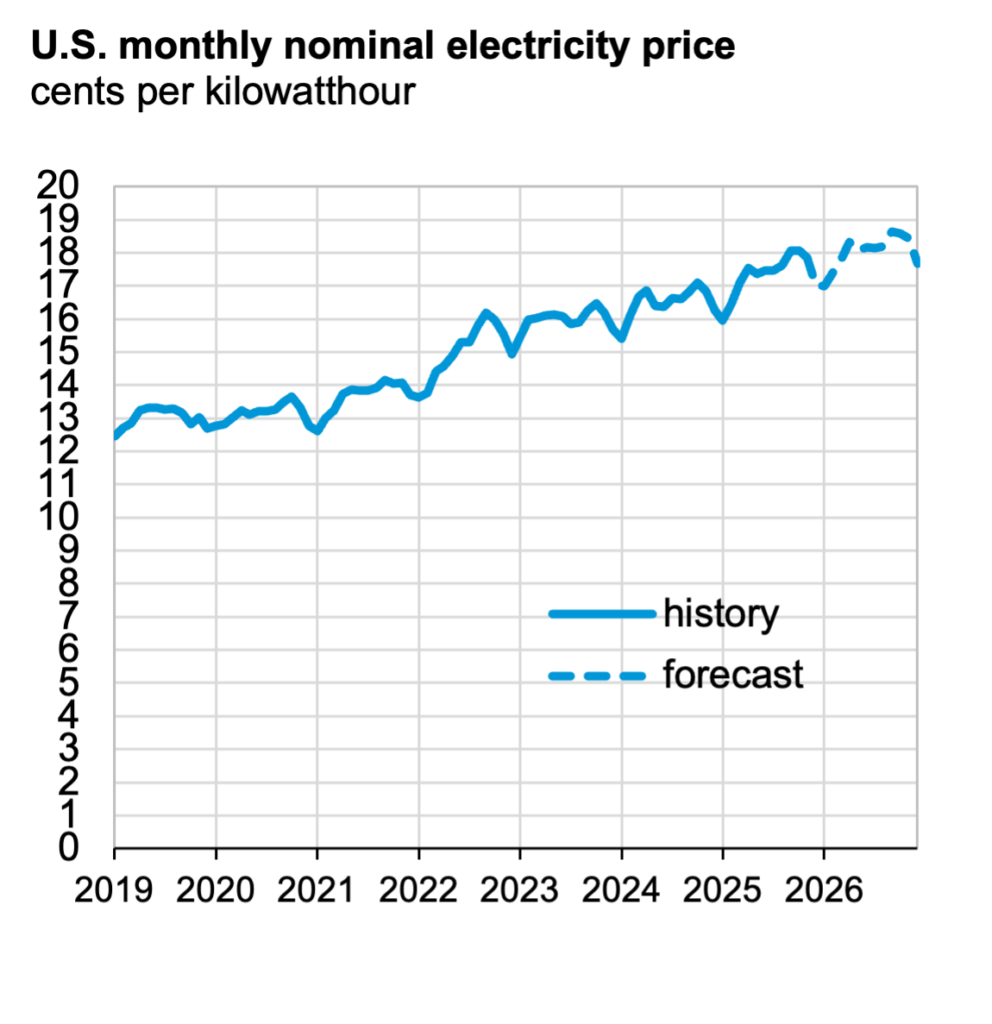
The U.S. Energy Information Administration (EIA) forecasts residential electricity rates to rise another ~4% and natural gas prices (Henry Hub) to climb towards $4/MMBtu in 2026, continuing upward trends from 2025.
Electricity: A 4.2% rise for residential customers, following a nearly 5% increase in 2025:
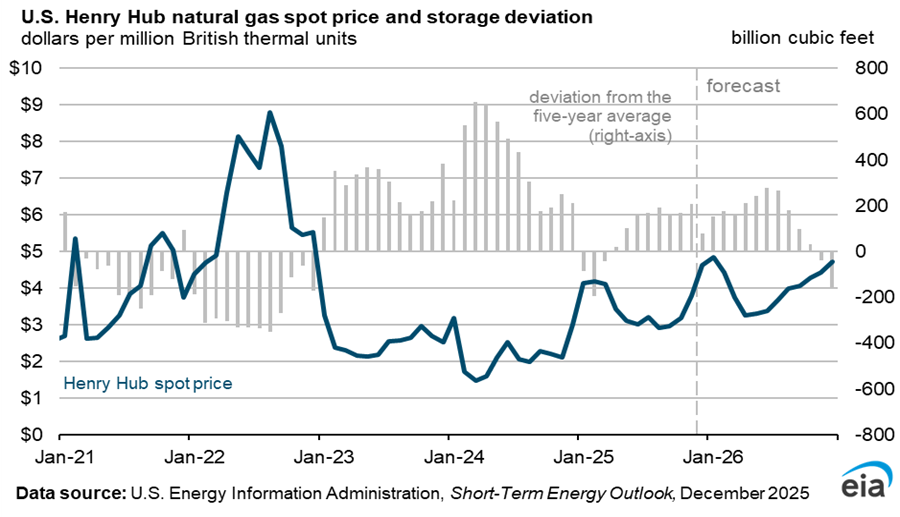
Natural Gas (Henry Hub): Expected to average around $4.00/MMBtu, up from $2.20 in 2024 and $3.50 in 2025:
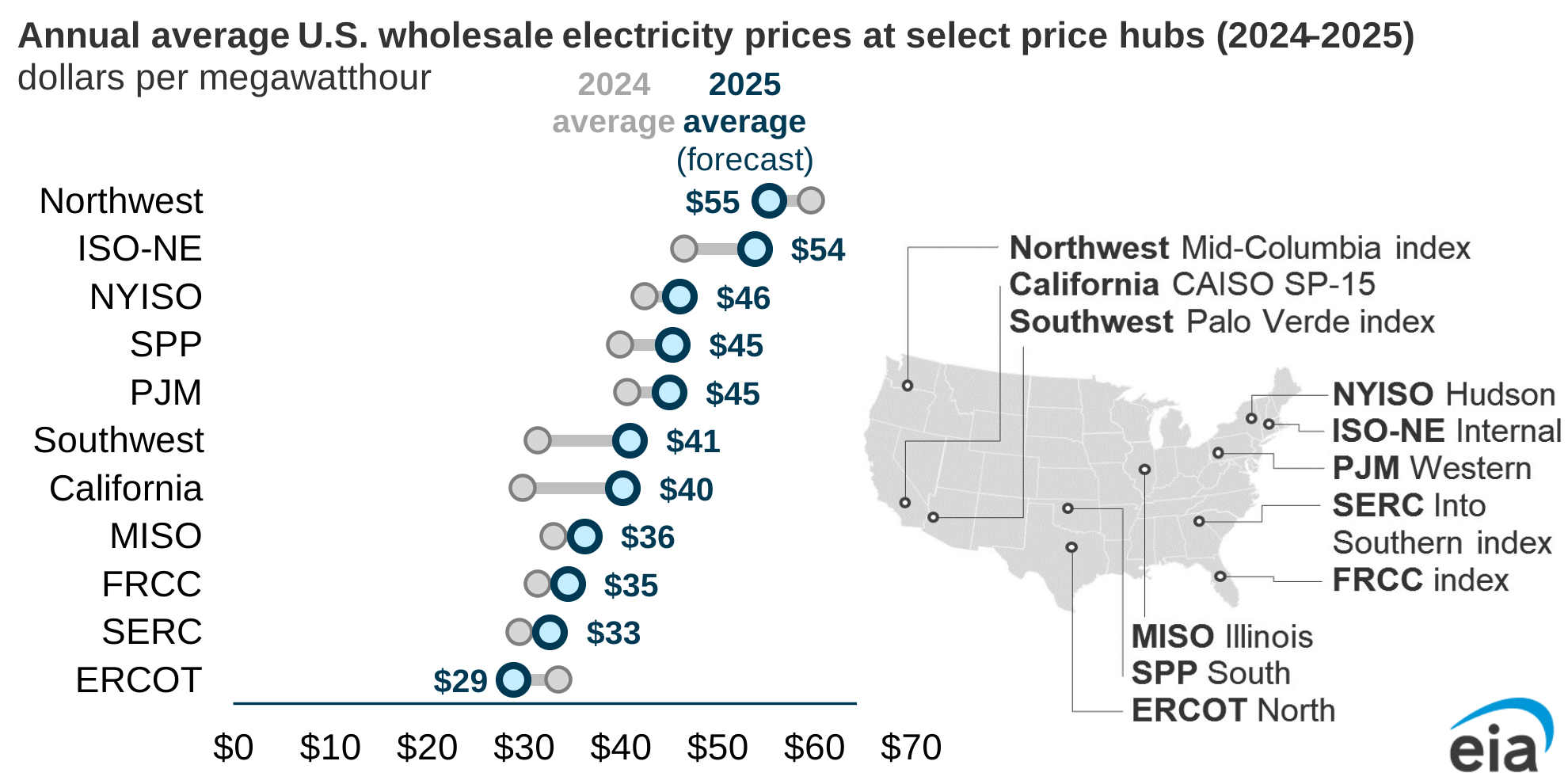
Overall, U.S. wholesale electricity prices are expected to continue rising in 2026, the EIA said in its latest short-term energy outlook, published Wednesday.
The agency forecast average wholesale prices across all 11 regional markets it tracks to be $47/MWh in 2025 — 23% higher than the 2024 average — and to reach $51/MWh in 2026, an additional 8.5% increase.
“Retail electricity prices have increased faster than the rate of inflation since 2022, and we expect them to continue increasing through 2026, based on forecasts in our Short-Term Energy Outlook.” – EIA
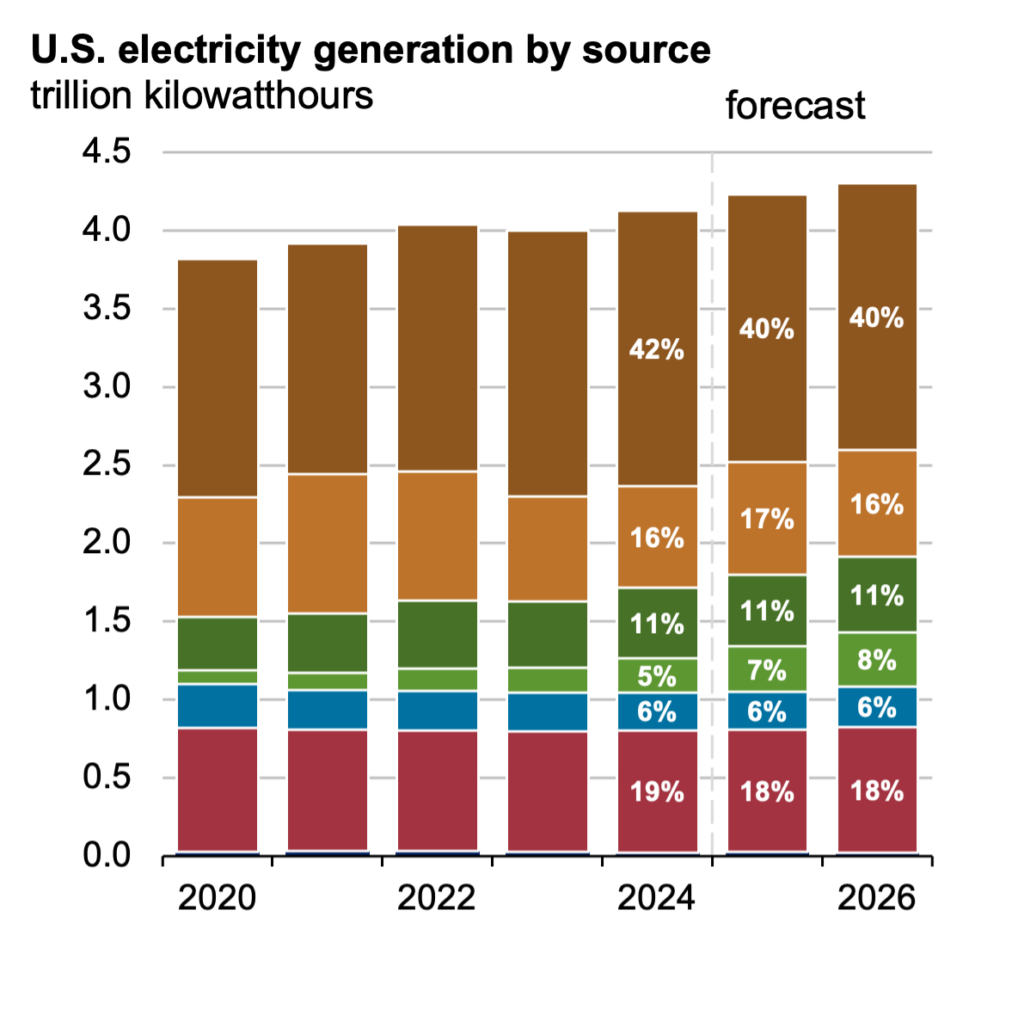
Electricity Generation Overview
Electricity Consumption Overview
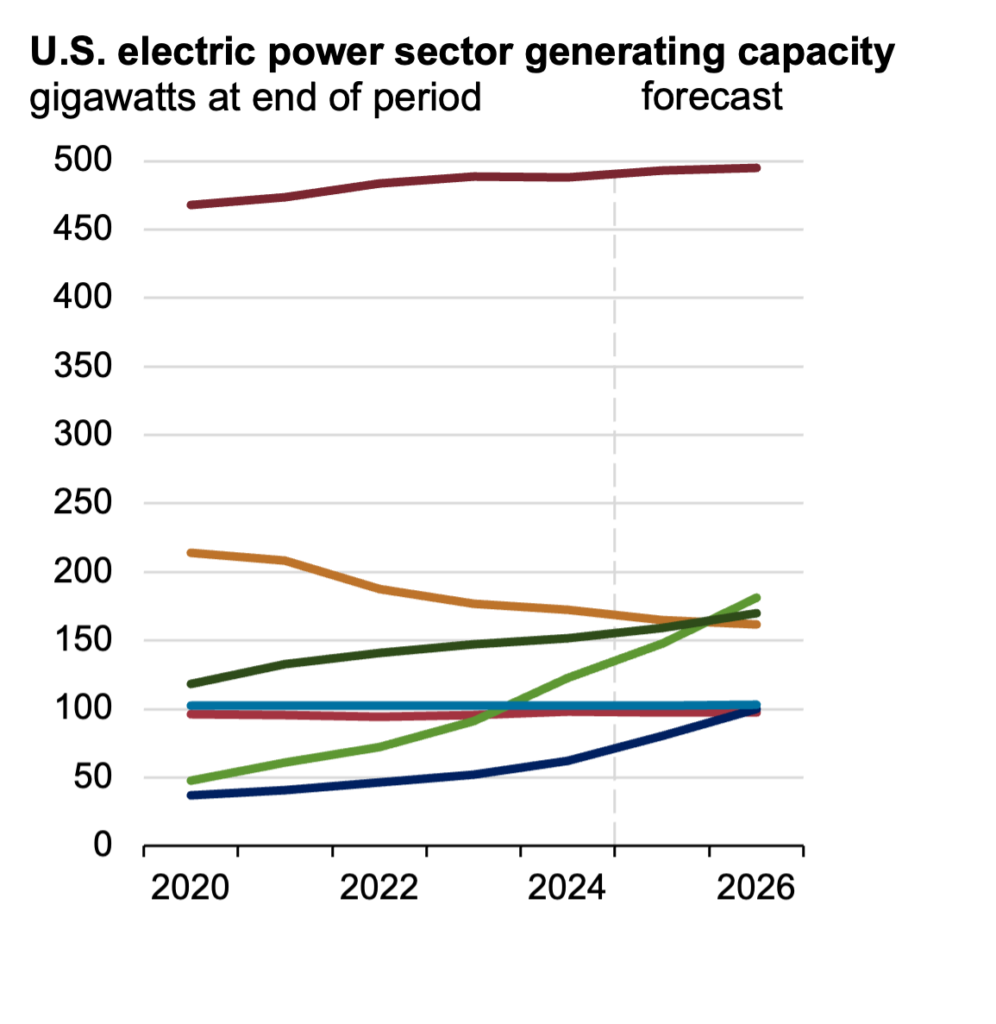
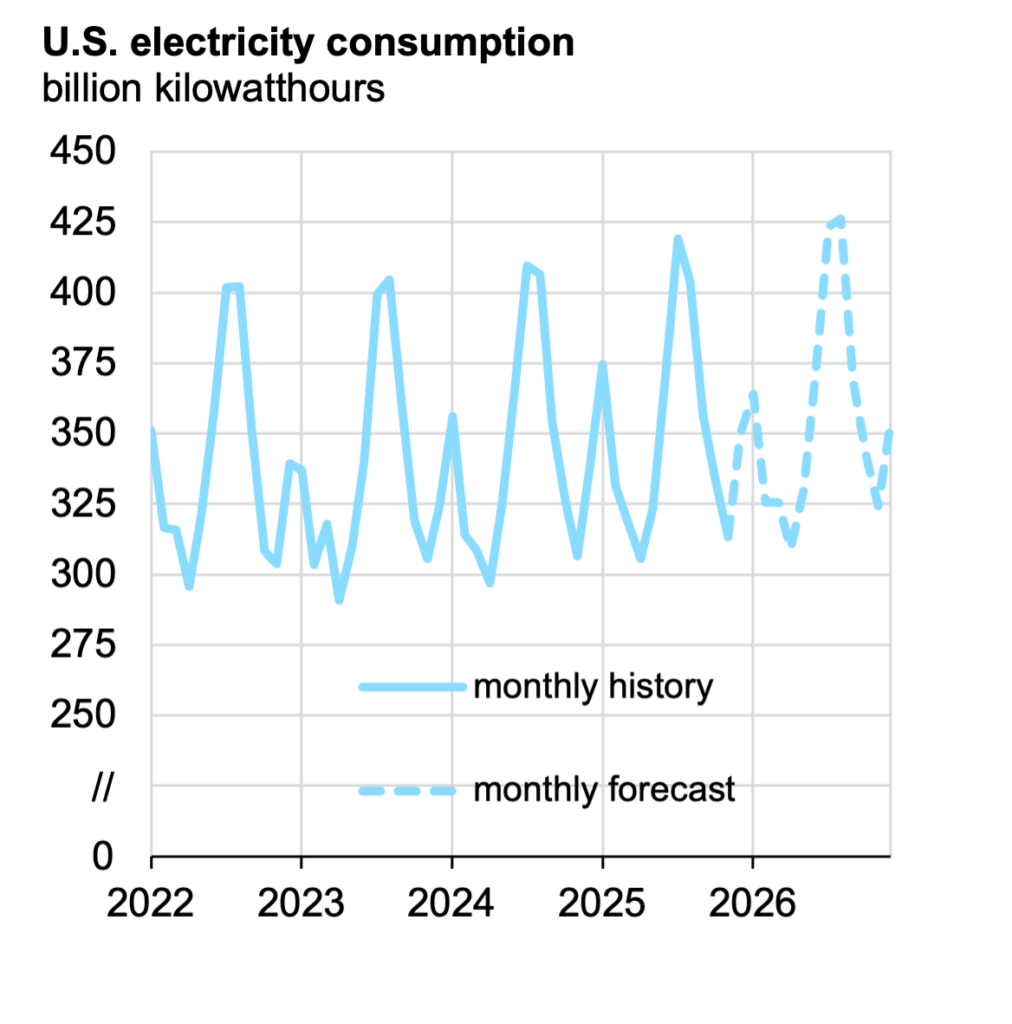
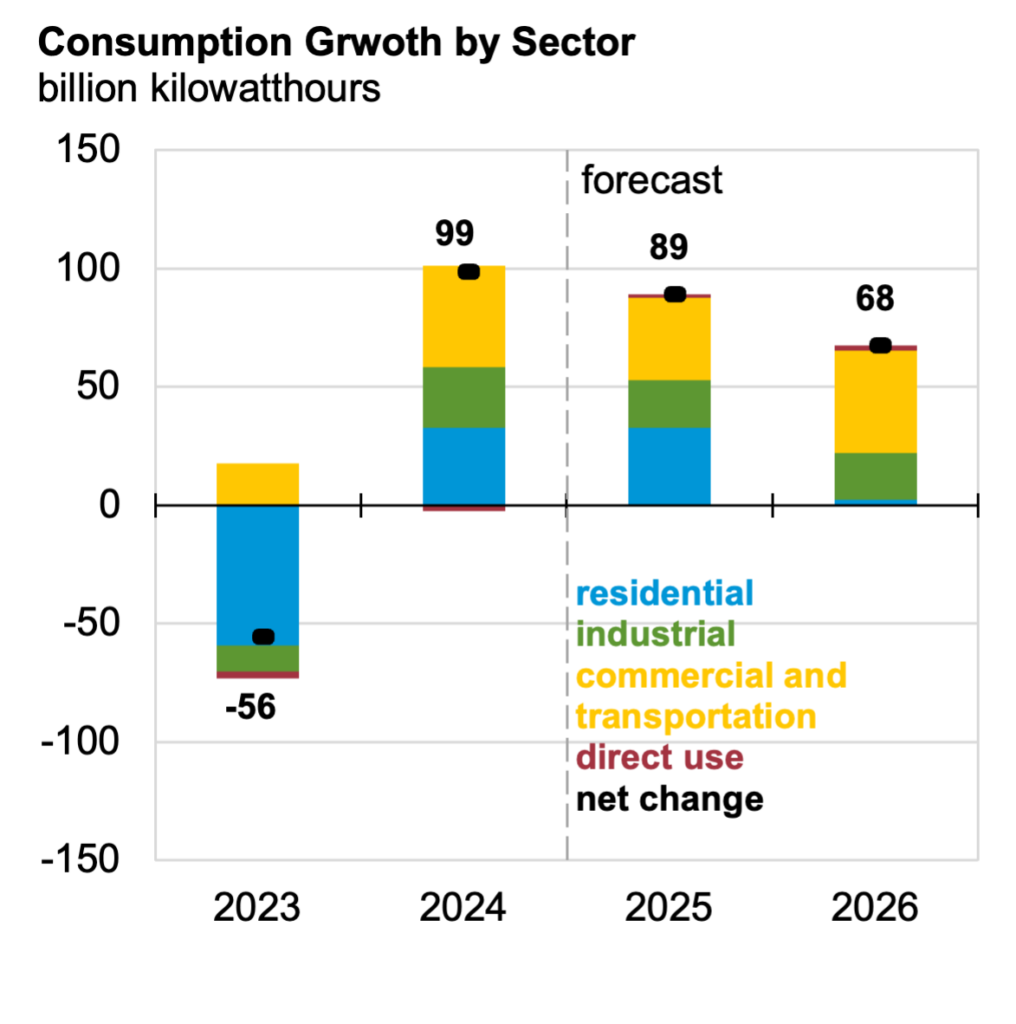
In the chart below provided by the U.S. Bureau of Labor Statistics via FRED, the average electricity price increased from 2000-2020 was 3.9%, while from 2020-2025, electricity prices have increased a total of 33%, a significant upward shift in electricity prices across the U.S.
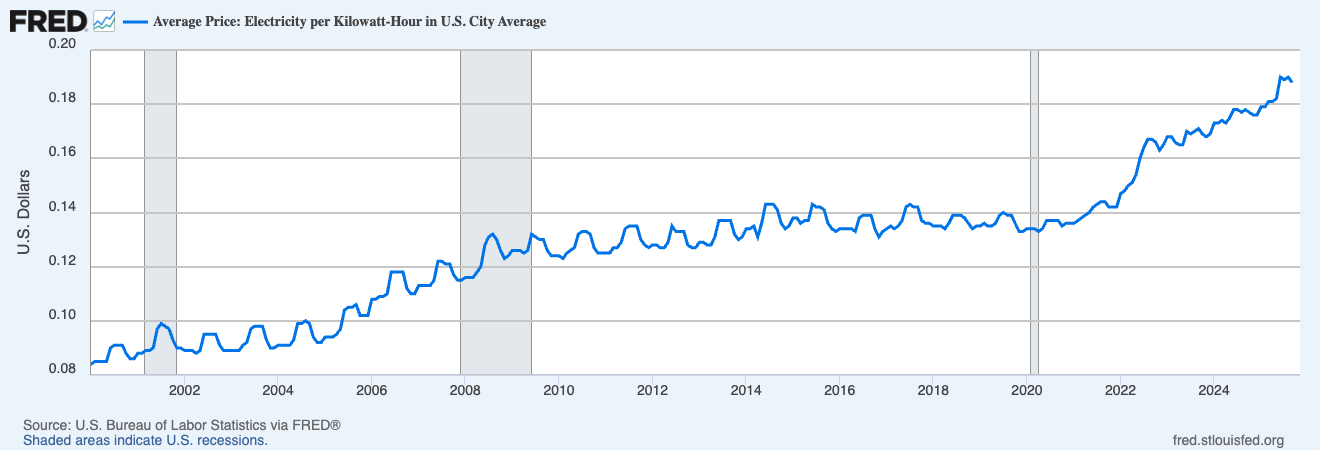
The U.S. Energy Information Administration (EIA) and other energy analysts widely forecast that U.S. natural gas prices will rise in 2026, driven by growing global demand for liquefied natural gas (LNG) exports and increased domestic electricity consumption (especially for data centers), while domestic production struggles to keep pace.
Natural Gas prices are expected to trend upward from their lower levels in 2024, with forecasts indicating average Henry Hub prices of approximately $4.00/MMBtu or higher, putting upward pressure on consumer bills.
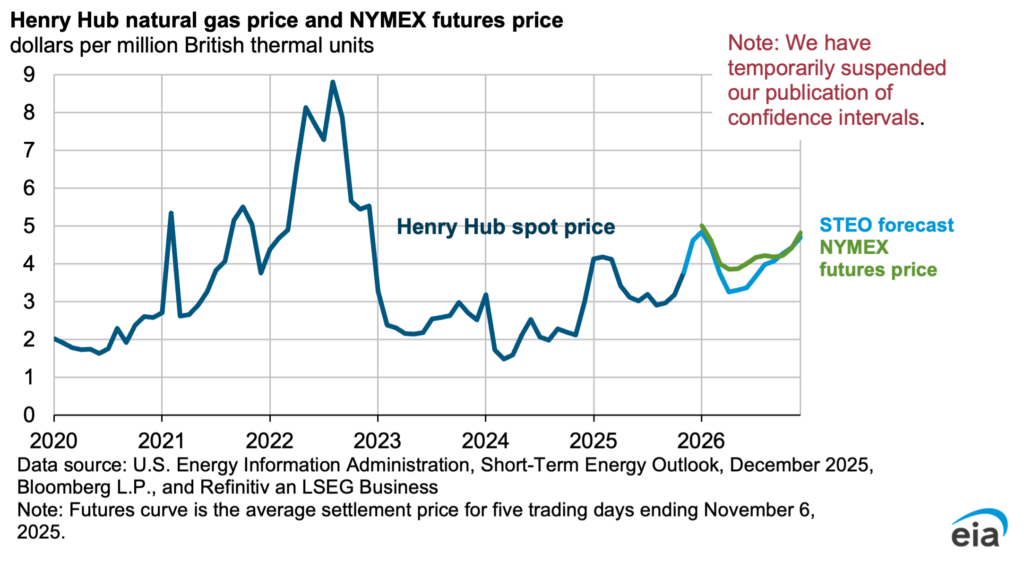
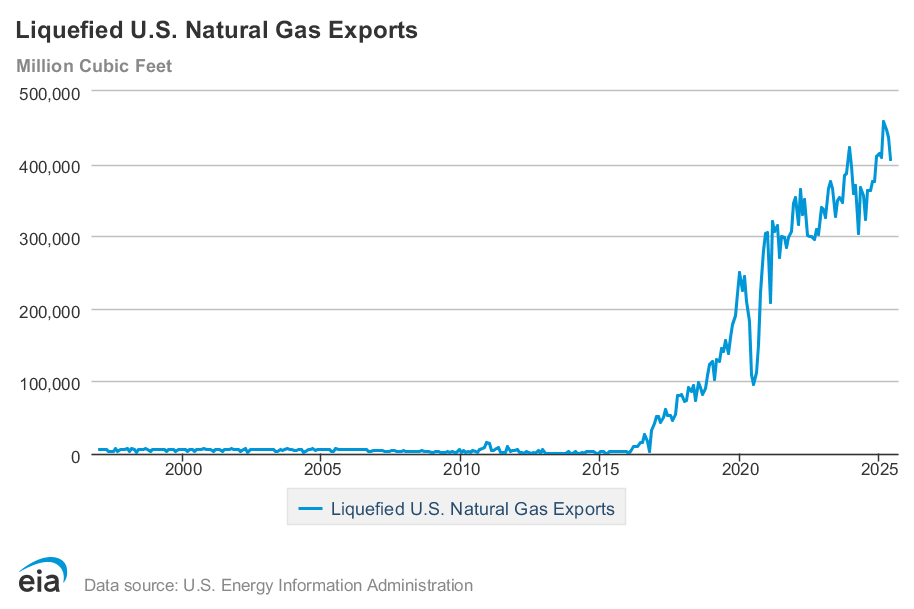
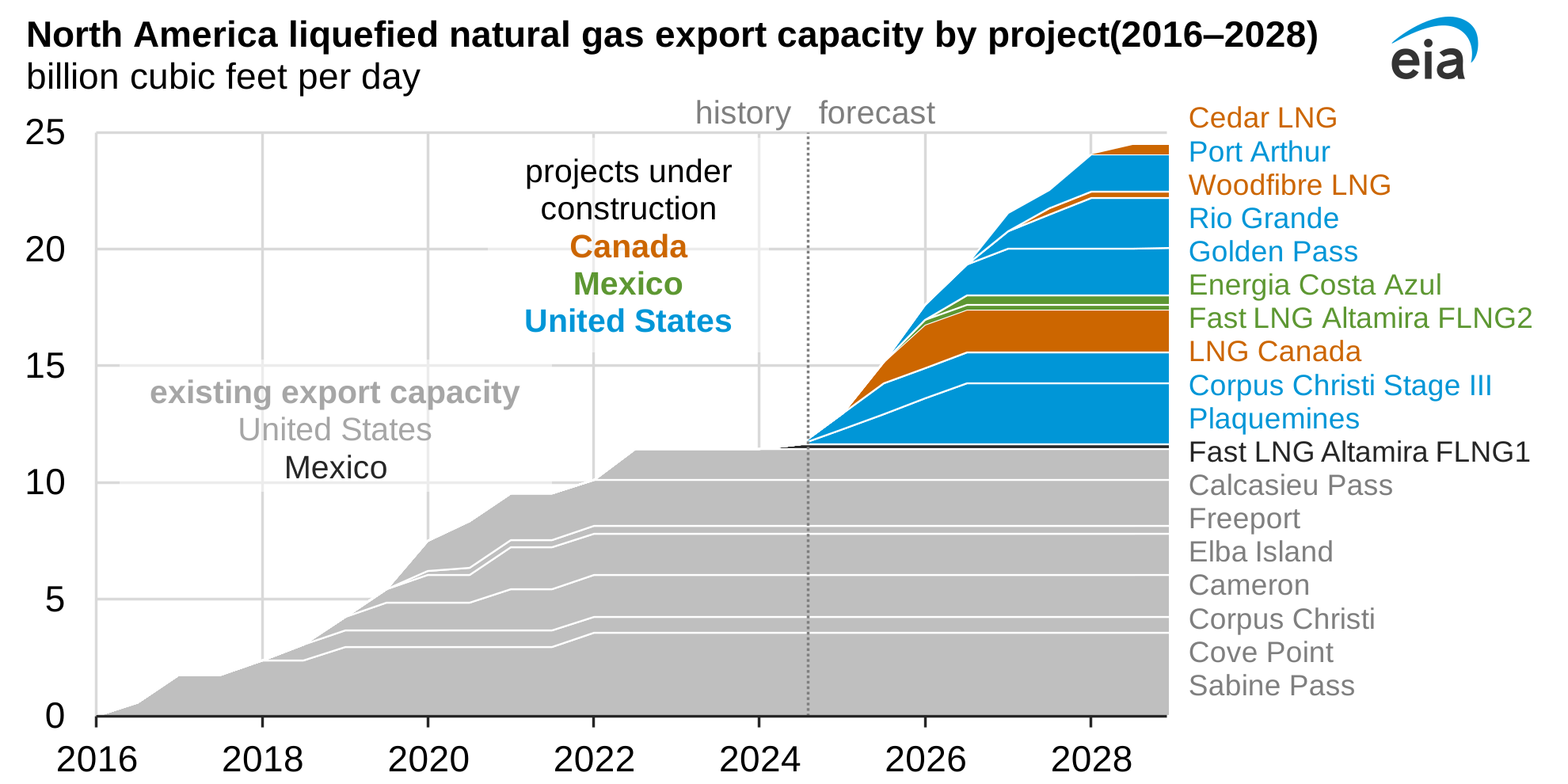
In Summary, natural gas prices are going up this winter due to colder than expected weather. As a result, this winter, natural gas is expected to cost about 22% more than last winter. Even though the U.S. started the winter with plenty of gas in storage, the cold weather is causing that supply to be used faster than normal.
Looking ahead to 2026, natural gas prices are expected to remain relatively high but not spike dramatically. More natural gas production is coming online, which should help keep prices from rising too fast in 2026 — but prices are still expected to be higher than what we saw in 2023 and 2024.
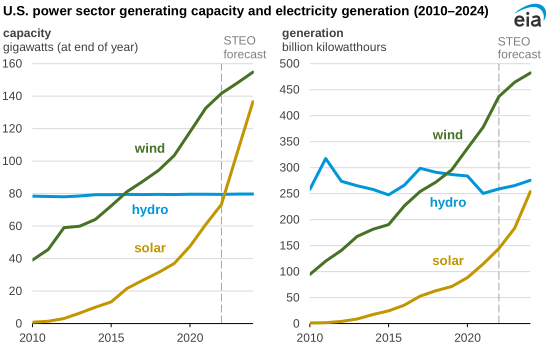
“EIA expects that for the first time, renewable energy sources will contribute one-quarter of electricity generation in the United States in 2025. Renewables contribute 27% of electricity generation in 2026 in EIA’s forecasts.” – EIA
Renewable energy’s share of U.S. electricity generation has grown rapidly, reaching 24.2% in 2024/2025, and is forecast by the EIA to reach 27% in 2026. The increase in renewable energy generation is driven primarily by investment in new solar and wind capacity.
Multiple electric grids across the U.S. have experienced significant price increases in 2025, with several regions in the Northeast and Southwest seeing the sharpest hikes. Contributing factors include high demand from data centers and artificial intelligence, infrastructure upgrade costs, and fluctuating natural gas prices.
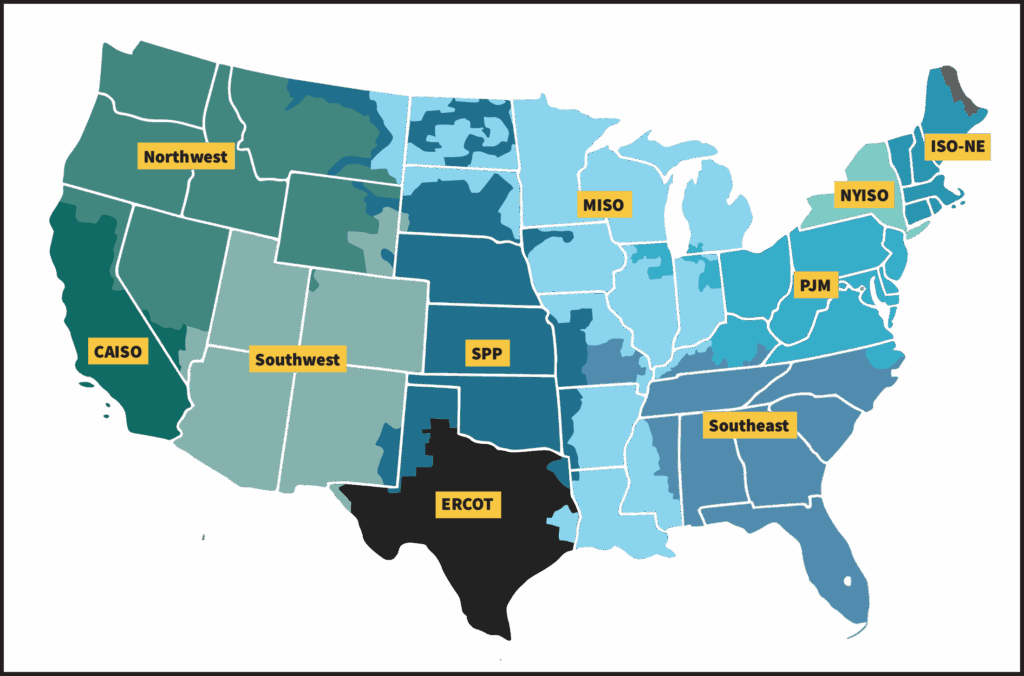
PJM (Mid-Atlantic/Midwest)
Commercial and industrial customers are seeing higher fixed costs as capacity charges rise, even when usage stays the same. Data center growth is a major driver behind higher future electric bills across the region.
ISO-NE (New England)
Winter energy costs remain the biggest risk for businesses due to gas supply constraints during cold weather. Even normal usage can result in higher bills during peak winter conditions.
ERCOT (Texas)
Electricity remains relatively competitive on average, but late-afternoon and evening peak hours continue to create short-term price spikes. Large users are most exposed during extended heat events.
CAISO (California)
Electricity remains relatively competitive on average, but late-afternoon and evening peak hours continue to create short-term price spikes. Large users are most exposed during extended heat events.
NYISO (New York)
Rising winter and summer peaks are increasing price volatility for commercial and mixed-use properties. Businesses should expect greater exposure to peak-period pricing throughout the year.
MISO (Midwest)
Record-high capacity costs are increasing overall electricity bills for manufacturers and large facilities, regardless of day-to-day consumption. Budget pressure is coming more from fixed charges than energy use.
Energy prices for electricity and natural gas are generally expected to continue increasing in 2026, driven by surging electricity demand, grid investments, rising natural gas demand for exports and power generation, and increased reliance on gas-fired plants, despite potential relief in gasoline prices.
As energy prices continue to rise, small businesses, commercial properties, and industrial facilities still have practical ways to control costs. The most effective strategies focus on planning ahead, using energy more efficiently, and avoiding the most expensive hours of the day.
First, secure competitive energy rates. Many retail energy suppliers can still offer pricing below local utility rates. Locking in the right contract now can help protect your business from price spikes and rising costs through 2026.
Second, reduce overall energy usage. Efficiency upgrades and operational improvements can lower consumption without impacting productivity, and many states offer incentives and rebates to help cover these improvements.
Third, manage energy use during peak hours. Cutting usage when demand is highest can lower bills and may qualify your business for rebates or credits through demand management programs. Larger facilities can also use battery or backup generation solutions to avoid downtime.
By working with an Energy Professionals consultant, your business can build a custom energy strategy based on your usage, operations, and goals.
Contact Energy Professionals today to review your options and protect your business from rising energy costs.
Energy Professionals LLC is one of the nation’s largest and most trusted energy consulting firms.
For over 25 years, we’ve helped thousands of businesses manage and reduce their energy costs. With one of the largest networks of retail energy suppliers and long-standing partnerships across the energy industry, we deliver competitive fixed rates, custom energy strategies, and innovative solutions to help you avoid high bills and increasing costs.
Reach out to your Energy Professionals advisor today to review your options.
Call: 888 473 3829

James Lightning
Senior Editor, Energy Professionals
(844) 674-5465
info@energyprofessionals.com



Don't have one? You can get one by calling us at 855-4-PKIOSK.
Energy Professionals is committed to finding its customers the best possible rates on electricity and natural gas. Tell us your location and service type and our energy manager will connect you to the most competitive offers.
Switching to an alternate supplier is easy. There is no chance of service disruption, and you'll continue with your current utility for energy delivery and emergency service. Take a few minutes to discover your best offers, and enjoy the benefits of retail energy in your home or business.
1. Energy Type
2. Service Type
3. Zip Code
4.Local Company
5.Zone

We believe that knowledge is power. Here’s a free e-book that provides business solutions to reducing energy costs.
Download E-Book Free Energy Audit